
By Robin McCoy
Many seniors in the Dallas-Fort Worth area find themselves “house rich but cash poor”—owning properties with significant equity while struggling to keep up with rising property taxes, maintenance, and the isolation that often comes with an empty nest. House hacking—the creative use of your home to generate income or support—is a strategy gaining momentum across North Texas to help those over 60 age in place with financial freedom.
While many of the most progressive housing laws currently originate in California, the concepts are universal and can be applied right here in DFW with a bit of local know-how.
——————————————————————————–
The Power of the Spare Room
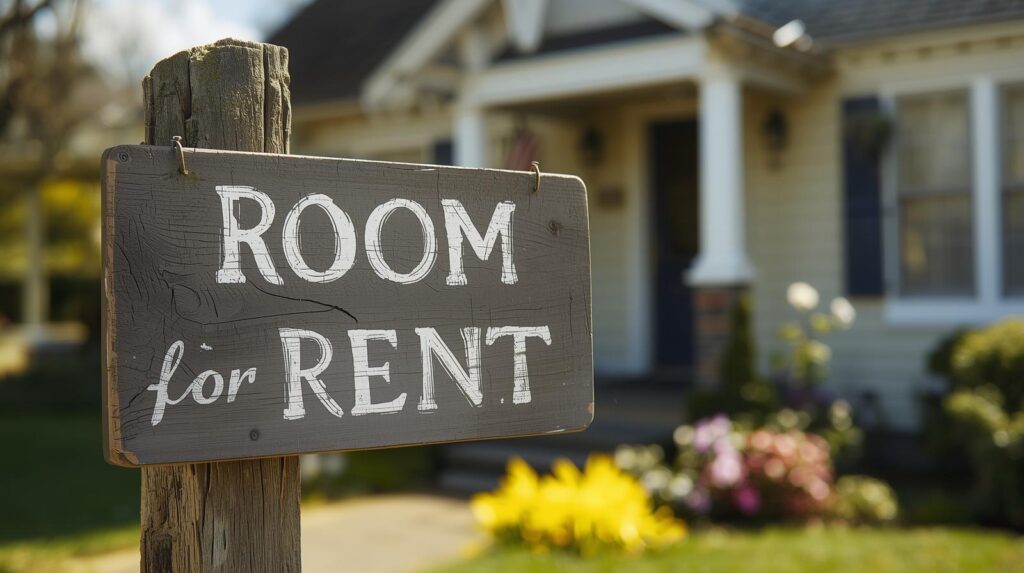
The simplest way to start house hacking is by renting out an extra bedroom. In high-demand areas like Dallas or Plano, a spare room can provide a steady monthly income of 700–1,500, which can be a lifeline for covering utility bills or healthcare costs.
• Companionship & Safety: Beyond the check, the second most common reason for home-sharing is companionship. Having someone else in the house provides security and a friendly face for coffee or a shared meal.
• The “Rent-for-Help” Barter: You can trade a lower rent for help with chores, such as grocery shopping, yard work, or pet care. This “win-win” saves you money on hired help while providing the tenant with an affordable place to live.
ADUs: Building Your Own “Granny Flat”
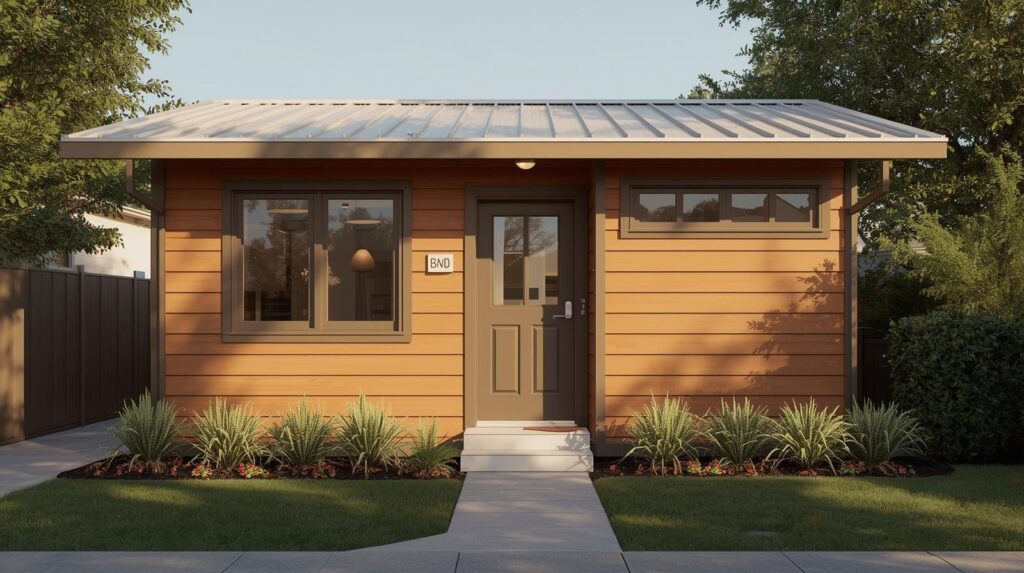
Adding an Accessory Dwelling Unit (ADU)—like a backyard cottage or a garage conversion—is a mainstream solution to the housing crunch.
• Income Potential: A separate unit allows you to maintain total privacy while collecting significant rent.
• Downsizing in Place: Many DFW seniors are choosing to move into a new, smaller ADU on their own property and renting out the larger main house. This allows you to stay in the neighborhood you love in a home that is easier to maintain.
• DFW Reality Check: (External Info) Unlike California, where ADUs are allowed “by right” statewide, Texas recently saw a statewide ADU bill (SB 1412) fail to pass. This means ADU rules in DFW are city-specific. For example, the City of Dallas allows detached ADUs under specific zoning rules (Article 8), while other cities like Fort Worth may require special exceptions.
Advanced Equity Strategies: Lot Splits & Condo Conversions

Some states, like California, have cutting-edge laws such as SB-9 (which allows lot splits) and AB 1033 (which allows ADUs to be sold as separate condos).
While these specific laws don’t exist in Texas yet, the themes are relevant for DFW homeowners with large lots:
• Lot Splitting: If your property is larger than you need, you might explore “re-platting” to split your lot and sell the extra land or build a second home to sell.
Finding and Vetting Your Housemate

Inviting someone into your home requires diligence. To protect yourself and your property, follow these best practices:
1. Use Screening Tools: Shared Housing Center (Dallas Area)
A local partner that facilitates home-sharing matches within Dallas County with structured support for introductions. TexVet
👉 https://texvet.org/resources/shared-housing-center
Silvernest / HomeShareOnline (Roommate Matching for Older Adults)
A dedicated home-sharing platform where older homeowners can list spare rooms and find compatible long-term housemates. Originally Silvernest, now HomeShareOnline. Home Share Online
👉 https://homeshareonline.org/
2. Conduct Interviews: Meet in person and call at least three references, including previous landlords.
3. The 3-Month Trial: Don’t commit to a year-long lease immediately. Start with a 3-month trial period to ensure lifestyle compatibility.
4. Put it in Writing: Always have a written agreement covering house rules, guest policies, and chore expectations.
——————————————————————————–
Robin’s DFW Resource List
To explore these options further, I recommend checking these local and national resources:
1) City of Dallas ADU Manual (Planning & Code Info)
This page from the City of Dallas covers accessory dwelling units, implementation status, and links to related documents like zoning, overlay, and regulations. City of Dallas Accessory Dwelling Units (ADU) planning info and documents
Note: Dallas isn’t currently allowing ADUs “by-right” in most areas without specific zoning action, so digging through the manuals and PDFs linked from this page will give you the most up-to-date Article 8 and related requirements.
2) AARP (Universal Design Resources)
AARP has free universal design info that helps homeowners plan age-friendly remodels — good for seniors thinking about house hacking or lifetime home adaptations. AARP Universal Design: What it is and why it matters in housing
For deeper guides (like the full HomeFit guide or model ordinance), AARP’s site lets you browse or download those PDFs too.
3) National Shared Housing Resource Center
This organization isn’t a housing provider itself but connects you to local home-sharing programs across the U.S. They maintain a directory you can use to find shared-housing matches (which often serve older adults looking for affordable housing arrangements). National Shared Housing Resource Center (NSHRC) home page and program directory
4) Neighbor.com (Storage & Parking Marketplace)
Neighbor is an online marketplace where you can list or rent out unused garage space, driveway, or other storage areas — a low-impact way to earn extra income or solve storage needs without affecting your daily life. Neighbor.com storage and parking marketplace
Final Thought
In your golden years, your home should be an asset, not a burden. Whether it’s through a “Golden Girls” style co-living arrangement or building a modern backyard cottage, house hacking allows you to turn your property into a foundation for financial freedom and a hub for your community.
——————————————————————————–
Analogy for Understanding House Hacking: Think of your home like a large family van now that the kids have moved out. You can keep driving it alone and paying for all the gas yourself, or you can use those extra seats to start a carpool. By letting others ride along, they help pay for the fuel and maintenance, and you get some company for the long drive ahead.