Dallas, Texas: Urban Heartbeat Meets Southern Warmth
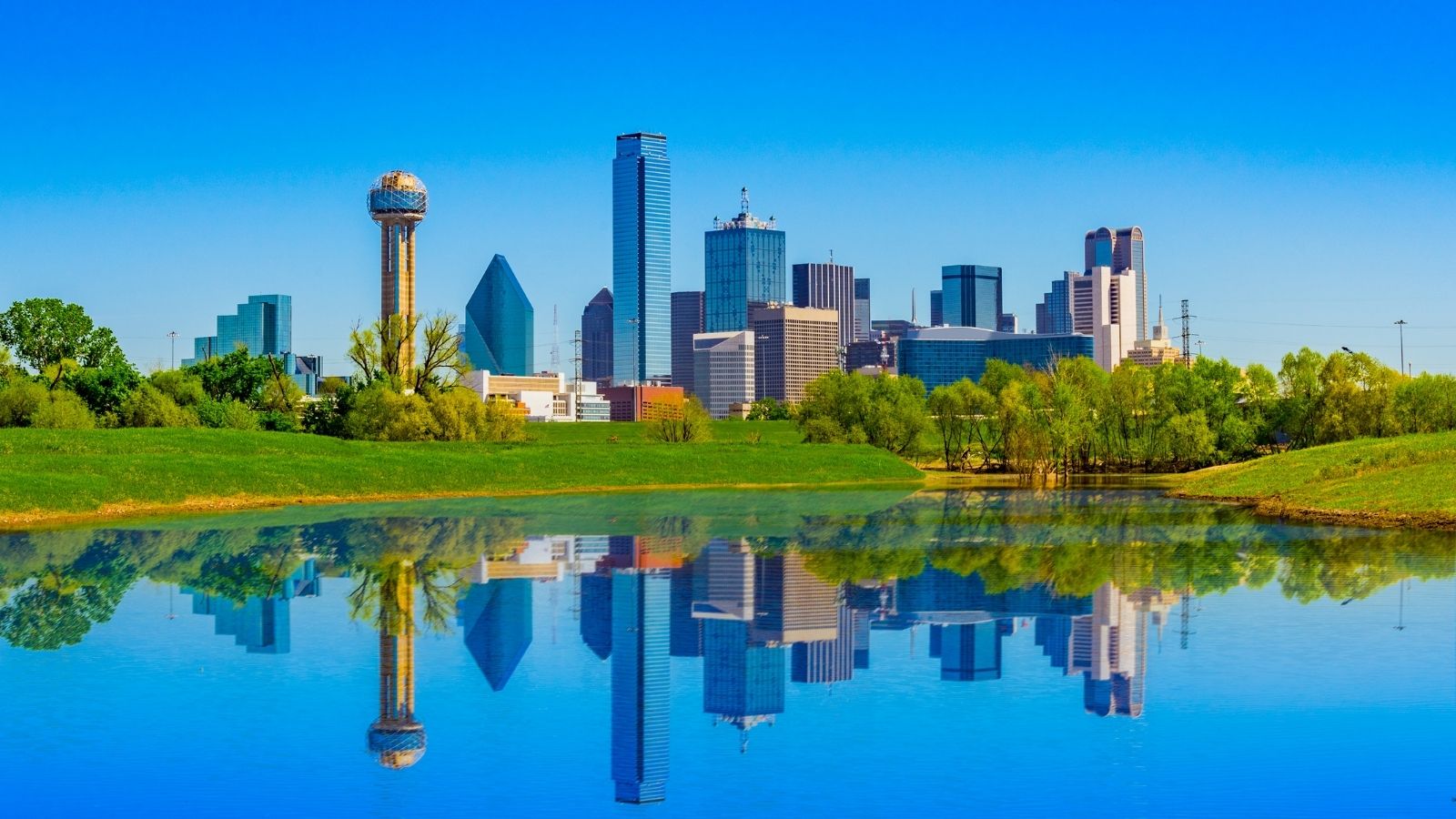
Dallas pulses with energy. From its gleaming skyline to its vibrant neighborhoods, this city balances modern innovation with time-honored traditions. Residents savor mouthwatering barbecue alongside avant-garde theater, while families relish leafy parks and top-tier schools. Whether you’re drawn to dynamic business districts or tree-lined residential streets, Dallas offers a tailored experience. Read on to explore the city’s past, daily life, standout neighborhoods, educational landscape, weather patterns, and transportation network. By the end, you’ll see why Dallas makes an ideal place to call home—and how you can take the next step.
History, Dallas, Texas
Settlers first arrived on the Trinity River’s banks in the mid-1840s, establishing a trading post that grew quickly into a commercial hub. When a railroad connection arrived in 1872, Dallas transformed from a frontier outpost into a booming center for the cotton and cattle trade. Entrepreneurs and builders erected stately Victorian homes and red-brick warehouses, setting a foundation for future growth.
At the turn of the 20th century, oil discoveries in nearby fields sparked a construction boom, drawing bankers, merchants, and oil magnates. Skyscrapers rose downtown, including the Neoclassical Magnolia Building, which marked Dallas’s arrival on the national stage. Cultural institutions followed: the Dallas Symphony Orchestra, formed in 1900, and the Dallas Museum of Art opened its doors in 1903, enriching the city’s creative fabric.
Post–World War II, Dallas expanded rapidly. Suburban enclaves spread northward along highways, while business parks emerged. The city attracted corporate headquarters, including Texas Instruments and Neiman Marcus, cementing its reputation as a financial and retail powerhouse. Landmark events—including President John F. Kennedy’s visit in November 1963—left indelible marks. The Sixth Floor Museum now chronicles that pivotal moment with photos, artifacts, and firsthand accounts.
Recent decades have seen Dallas embrace technology, healthcare, and the arts. High-rise condos have filled the skyline, and adaptive reuse projects have repurposed historic buildings into lofts, galleries, and restaurants. Today, Dallas stands as a dynamic metropolis—rooted in its past yet focused firmly on the future.
Homes for Sale
Lifestyle, Dallas, Texas
Dallas residents balance work and leisure with ease. Weekdays often start with a morning stroll through Klyde Warren Park, where coffee trucks line shaded paths and neighbors exchange greetings. Downtown professionals head to sleek coworking spaces or corporate towers, while creatives set up in arts districts.
When lunchtime arrives, the city’s culinary scene shines. Food halls like Legacy Hall and Trinity Groves offer everything from authentic Mexican to craft ramen. After work, locals gather at neighborhood breweries, wine bars, and live-music venues—Deep Ellum’s murals and bars hum with eclectic sounds, while Uptown’s rooftop lounges offer sweeping city views.
Cultural outlets abound. The Dallas Arts District, the nation’s largest contiguous urban arts district, hosts performances by the Dallas Opera, productions from the Dallas Black Dance Theatre, and exhibitions at the Crow Museum of Asian Art. Annual events like the State Fair of Texas and the Dallas International Film Festival draw visitors from across the region, creating a festive atmosphere.
Outdoor enthusiasts find plenty to do. White Rock Lake provides miles of trails for running, cycling, and paddling; golfers tee off at Cedar Crest or Stevens Park; and families gather for picnics in Bishop Arts District’s pocket parks. Shopping spans from high-end boutiques in Highland Park Village to vintage shops along Greenville Avenue.
Dallas also prioritizes community. Neighborhood associations host block parties, volunteer cleanups, and seasonal festivals. Local farmers’ markets pop up across town, fostering connections between growers and residents. This blend of cosmopolitan amenities and grassroots spirit makes daily life engaging, accessible, and authentically Texan.
Top 5 Neighborhoods, Dallas, Texas
Dallas offers diverse enclaves, each with its own distinct personality and draw. Whether you seek historic charm, walkable streets, or contemporary flair, you’ll find a match among these five standout neighborhoods.
Highland Park: This upscale enclave features tree-lined avenues, grand estates, and award-winning parks. Residents stroll along Turtle Creek Boulevard, enjoy picnics at Lakeside Park, and shop at Highland Park Village, a luxury shopping center with designer boutiques. The public schools here consistently rank among the state’s best, while nearby private academies provide alternative options. Annual community events like Fourth of July parades and neighborhood barbecues foster close connections. Easy access to downtown and the arts district makes Highland Park ideal for professionals and families seeking both convenience and prestige.
Uptown: Uptown attracts young professionals who value an urban lifestyle. Apartments and condos rise alongside historic Dallas Landmark buildings converted into lofts. McKinney Avenue’s M-line trolley delivers passengers to lively restaurants, bars, and theaters. Pedestrian pathways connect residential blocks to the Katy Trail, a popular running and cycling route. Residents enjoy weekend yoga sessions in Klyde Warren Park and lively brunch spots along McKinney Avenue. With a mix of nightlife, fitness studios, and cultural flair, Uptown suits those who thrive in a vibrant, 24/7 environment.
Bishop Arts District: Known for its creative energy, this neighborhood boasts colorful murals, independent shops, and intimate theaters. Wrought-iron cafés spill onto sidewalks, and artisanal bakeries offer fresh-baked bread each morning. Galleries showcase emerging artists, while performance venues host everything from bluegrass to improv comedy. The area’s tight-knit association organizes seasonal street fairs and charity fundraisers. With smaller-scale housing—bungalows, cottages, and townhomes—Bishop Arts combines cozy charm with metropolitan amenities.
Lakewood: Set along the shores of White Rock Lake, Lakewood offers scenic views and a strong sense of community. Residents bike along the lake’s 9.3-mile trail, paddle kayaks at dawn, and picnic in Lakeside Park. Housing stock ranges from Tudor-style homes to mid-century ranch houses, many renovated to tastefully modern standards. Local schools, including an outstanding elementary school, draw families seeking quality education. The Lakewood Theater and holiday parade keep tradition alive, while new eateries and coffee shops add fresh options. This neighborhood appeals to those who value nature and neighborhood camaraderie.
Design District: Once industrial and now a hub for interior designers and artists, the Design District blends studios, showrooms, and trendy eateries. Exposed-brick spaces house custom furniture workshops and contemporary art galleries. Mornings often start with a specialty coffee from trendy roasters, followed by visits to design showrooms. By evening, craft cocktail bars and eclectic restaurants come alive. Warehouse lofts and modern townhomes provide housing, attracting creatives and design professionals. Its proximity to downtown ensures easy commutes, while the district’s gritty-meets-polished vibe offers endless inspiration.
Together, these neighborhoods showcase Dallas’s ability to cater to diverse tastes—whether you seek stately elegance, urban buzz, creative flair, lakeside leisure, or design-driven living.
Education, Dallas, Texas
Dallas families benefit from a broad spectrum of educational choices. Public school districts such as Highland Park, Richardson, and Plano regularly record high test scores and college-readiness rates. Highland Park High School, part of the Highland Park Independent School District, offers specialized STEM programs and competitive athletics, while Richardson’s Lloyd V. Berkner High School features award-winning fine arts and robotics teams.
Private institutions add variety. St. Mark’s School of Texas provides rigorous liberal arts and math curricula for boys, complemented by competitive sports and a robust arts program. Ursuline Academy of Dallas offers young women an all-girls environment emphasizing leadership, service learning, and global studies. Parish Episcopal School focuses on inquiry-based learning, with early childhood through high school campuses featuring advanced placement courses and dual-credit partnerships.
Dallas ranks high for postsecondary education. Southern Methodist University sits minutes from downtown, renowned for its Cox School of Business, Meadows School of the Arts, and Lyle School of Engineering. The University of Texas at Dallas in Richardson excels in computer science and biotechnology research, while Texas Woman’s University houses top-ranked nursing, health sciences, and education programs on its metro campus.
Community colleges such as Dallas College provide accessible career training and transfer pathways to four-year universities. Vocational and trade schools deliver specialized instruction in fields like culinary arts, aviation, and information technology. Charter schools—such as Uplift Education—offer tailored curricula emphasizing college readiness for diverse student populations.
From early learning centers to doctoral programs, Dallas’s educational ecosystem empowers students and families with choices suited to individual goals. Collaborative partnerships between schools, businesses, and community organizations ensure that academic offerings align with workforce needs, preparing graduates to thrive locally and beyond.
Climate, Dallas, Texas
Dallas averages 234 sunny days per year, more than the national average. Annual rainfall totals about 37 inches, while snowfall remains light, typically under one inch each winter. Humidity peaks in summer, but cooling breezes along the Trinity River offer relief.
Spring in Dallas begins with mild days in the low 60s and nights in the 40s. Wildflowers bloom across prairies and in suburban yards. Occasional severe storms bring heavy rain and thunderstorms, a reminder to stay weather-aware. Temperatures climb into the 80s by late April, signaling longer afternoons outdoors.
Summer arrives hot and bright. July averages high temperatures near 95 degrees and overnight lows around 75 degrees. Early sunrise at 6:15 a.m. gives way to late sunsets near 8:45 p.m., perfect for evening strolls. Pools, splash pads, and air-conditioned malls offer escapes from peak afternoon heat.
Autumn delivers comfortable days near 75 degrees and cool evenings in the mid-50s degrees. Leaves turn golden across parks, and festivals celebrating local harvests bring the community together. This season often sees clear skies and minimal rainfall, making it ideal for outdoor dining and cycling on the Katy Trail.
Winter remains mild compared with northern states. Daytime highs hover around 55 degrees, dipping to the mid-30s at night. Frost occurs occasionally, and rare cold snaps bring light icing. White Rock Lake’s landscape transforms into a crisp, tranquil setting.
Overall, Dallas’s climate supports year-round activities: park gatherings in spring, pool days in summer, alfresco concerts in fall, and brisk walks in winter. Understanding these patterns helps residents plan their routines and maximize each season’s unique offerings.
Transportation, Dallas, Texas
Dallas’s transportation network combines highways, public transit, and air travel to keep residents connected. Interstate 35E, 30, and 75 form major arteries, linking suburbs to downtown and beyond. Toll roads such as the President George Bush Turnpike and Dallas North Tollway offer expedited travel with electronic toll collection.
Dallas Area Rapid Transit (DART) operates light rail lines—Red, Blue, Green, and Orange—that span 93 miles across 64 stations. The Red Line connects downtown to Plano, while the Blue Line reaches Garland and Rowlett. Buses serve hundreds of routes, covering residential areas, business districts, and shopping centers. The M-Line Trolley provides free service between Uptown and downtown, and DASH circulator buses shuttle passengers through key neighborhoods.
Regional rail arrives via the Trinity Railway Express, linking Dallas and Fort Worth with five stations in the city. The upcoming Cotton Belt commuter rail will add service from Plano through Dallas Love Field to DFW Airport, enhancing east-west connectivity.
Dallas Love Field serves domestic flights with airlines offering nonstop service to major U.S. cities. Dallas/Fort Worth International Airport, one of the busiest in the world, lies about 20 miles northwest of downtown. It provides global connections, cargo operations, and high-frequency domestic flights. Courtesy shuttles, ride-share zones, and public transit options make reaching each terminal straightforward.
Cyclists and pedestrians benefit from trails like the Katy Trail and the Santa Fe Trail, as well as protected bike lanes on city streets. Bike-sharing programs and e-scooters add flexible last-mile options. Ongoing initiatives prioritize expanded sidewalks, pedestrian-friendly crosswalks, and bus rapid transit corridors.
With a comprehensive road system, multiple rail services, and two major airports, Dallas ensures that commuting, business travel, and leisure trips remain efficient and convenient.
Ready to Make Dallas, Texas, Your Home?
Dallas offers an exceptional combination of history, culture, neighborhood variety, education quality, agreeable weather, and robust transportation. When you’re prepared to find your perfect home in this dynamic city, contact me. I’ll guide you through listings, neighborhoods, and the buying process—helping you secure the ideal property that fits your lifestyle and goals. Reach out today, and let’s turn Dallas living into your everyday reality.