
Recently, I had the opportunity to be a guest on the AI Powered Caregiving podcast to talk about something most families avoid until they can’t anymore:
Is your home truly ready for you as you age?
As a Senior Home Coach™ and Realtor®, I don’t just sell houses. I help older adults and their families step back and ask a bigger question:
Can this home safely support the life you want five or ten years from now?
Because here’s the truth.
A house that worked at 55 may not work at 75.
And waiting until something happens is usually when options shrink.
The Role of a Senior Home Coach™
Most people think they need a Realtor® when they’re ready to sell.
But many seniors need clarity long before that.
As a Senior Home Coach™, I often become the first call. Not because someone is ready to list their home, but because they are starting to wonder:
- Is this layout still safe?
- What happens if I fall?
- Could I stay here with some modifications?
- Would moving actually protect my independence?
My job is to assess the home through the lens of safety, functionality, and longevity. Sometimes the answer is “You can absolutely stay here.” Other times the answer is “Let’s make changes before life makes them for you.”

Proactive Planning vs. Crisis Mode
Here is something I say often, and I mean it.
Everyone falls.
But a fall at 75 is very different than a fall at 45.
A serious fall can lead to:
- Hospitalization
- Rehab
- Loss of driving privileges
- Forced moves
- Financial strain
- Sudden loss of independence
When families wait until a crisis, decisions are rushed. Emotions are high. Money gets spent quickly. And the senior often feels like control has been taken away.
Planning ahead changes that.
When you plan early, you choose.
When you wait, life chooses for you.
What Makes a Home “Age-Ready”?
Aging safely at home is possible, but it requires honesty.
Safety Modifications That Matter


Some of the most impactful changes are simple:
- Remove throw rugs and trip hazards
- Install grab bars in bathrooms
- Convert traditional tubs to walk-in showers
- Improve lighting in hallways and stairways
- Add non-slip flooring
These changes are not glamorous.
They are practical.
And they prevent emergencies.
Layout Matters More Than Decor
Newer homes often make aging easier because they include:
- Single-story living
- Wider doorways
- Smooth thresholds between rooms
- Open floor plans for mobility devices
You do not need a mansion.
You need functionality.
Decluttering Is Safety
One of the biggest obstacles I see is not the home itself. It’s the stuff inside it.
Decades of possessions create:
- Fall risks
- Emotional overwhelm
- Delays when a move becomes necessary
That is why I created my Gentle Transition approach. Letting go is not about getting rid of memories. It is about protecting your future.
If your home is packed wall to wall, it is harder to move safely and harder for first responders to navigate in an emergency.
Clarity in your space creates clarity in your life.

Creative Living and Financial Strategies
Aging well does not mean shrinking your life. It means thinking differently.
ADUs and Multi-Generational Living
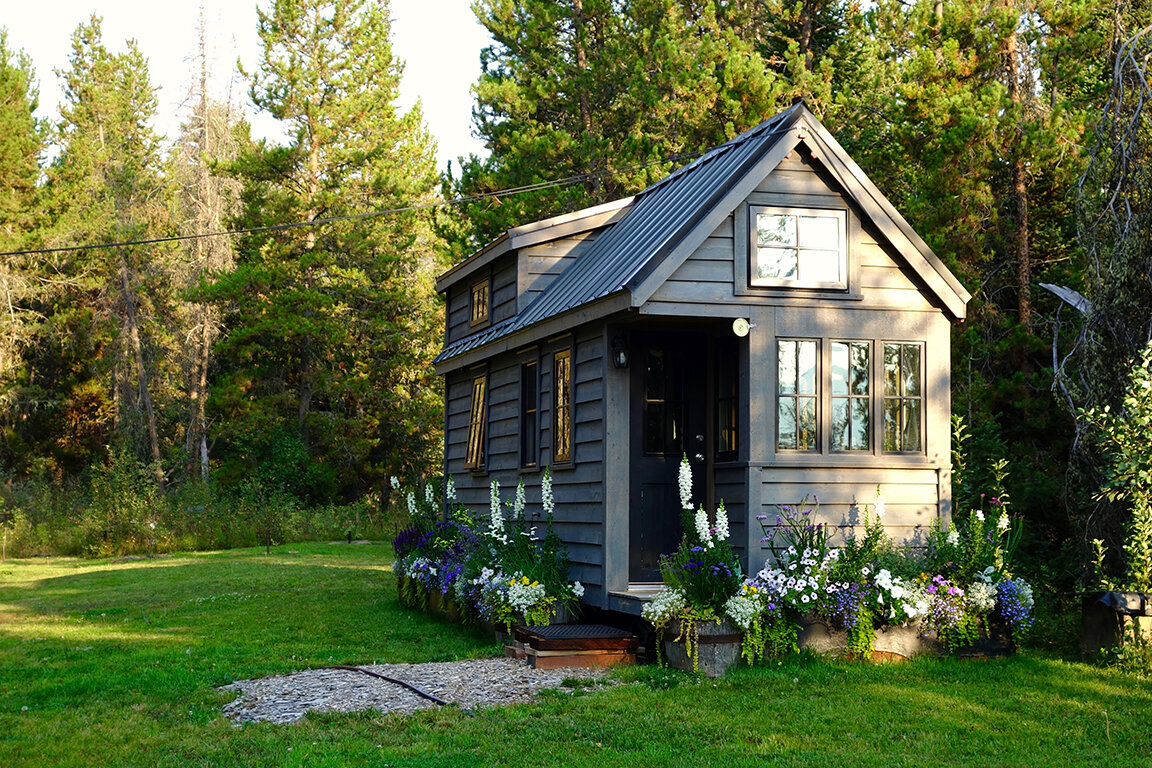
Accessory Dwelling Units, often called ADUs, allow:
- Adult children to live nearby
- Seniors to move into a smaller space on their property
- Rental income from the primary residence
Some families use this as a strategy to maintain income while downsizing their daily responsibilities.
Tiny Home Communities and Avoiding Isolation

Isolation is one of the greatest risks to senior health. It contributes to depression, cognitive decline, and even increased mortality.
Innovative tiny home communities, sometimes referred to as “Bird’s Nest” concepts, allow older adults to:
- Maintain independence
- Live affordably
- Stay socially connected
- Watch out for one another
Independence does not have to mean isolation.
Reverse Mortgages Revisited
I also addressed a topic that carries a lot of misunderstanding: reverse mortgages.
Today’s reverse mortgages are highly regulated FHA-insured loans through programs like the Federal Housing Administration.
They can allow seniors to:
- Eliminate monthly mortgage payments
- Access equity
- Purchase a new home better suited for aging
They are not right for everyone. But for the right person, they can preserve lifestyle and reduce stress.
The key is education, not fear. Learn more about reverse mortgage by listening to my interview with Michael Pankow on the Relax, I Got This! Embracing Life After 60 podcast.
The Most Important Tool: Conversation
If I could change one thing about aging in America, it would be this:
We would talk about it sooner.
Families need to discuss:
- Where do you want to live long term?
- What do you not want?
- Who makes decisions if you cannot?
- What does independence mean to you?
These conversations should not begin in the hospital.
Ideally, they start when adult children are in their 40s. Not because something is wrong, but because planning is an act of respect.
You cannot honor someone’s wishes if you do not know what they are.

Final Thoughts
Aging is not a crisis.
But ignoring it can create one.
Your home should support your independence, not threaten it. Your financial strategy should protect your freedom, not drain it. And your family should know your wishes long before they have to guess.
If you are wondering whether your home is truly ready for the next chapter, start asking the questions now.
Because the goal is simple.
Stay in control.
Stay safe.
Stay intentional.
And yes, relax. You’ve got this.