
I will never forget the day I climbed through my mother’s apartment window to get to her. She had fallen, she had called me, and when my sister and I arrived, neither of us had a key. That moment felt like it came out of nowhere.
It didn’t. The signs had been there for years. We just didn’t want to see them.
That story opens my chapter, “Follow the Signs,” in the brand new book Aging in Place Conversations: The Housing Edition, from the National Aging in Place Council (NAIPC). It’s out now in paperback and Kindle, and I’m one of the contributing authors. I’m Chapter 15. I’ll admit, seeing Mom’s story on a printed page hits differently than telling it out loud. I can finally see it from the outside.
Aging in Place Doesn’t Mean the House You Raised the Kids In
Most of us want to stay put. AARP’s most recent Home and Community Preferences Survey found that 75% of adults 50 and older want to remain in their current homes as they age. The same survey found that 44% expect they’ll have to move at some point anyway.
That gap is where I spend most of my working life.
Here’s the thing. When people hear “aging in place,” they picture the legacy home. The one with the pencil marks on the pantry door and the stairs that get a little steeper every year. That’s a bit of a false definition.
Aging in place is simply aging safely, healthfully, and joyfully, wherever you are. Maybe that’s the family home with a few smart modifications. Maybe it’s a one-story home that takes ten minutes to clean instead of a whole Saturday. The word that matters most is choose. Aging in place is living where you choose to live, in the way you choose to live it.
My mom didn’t get to choose. She lives in a residential care home now, and she’s actually thriving there. But because we waited, the decision got made in a hospital hallway instead of at her kitchen table.
Four Kinds of Signs (Borrowed from a Trail in Spain)
When I walked part of the Camino de Santiago in 2019, yellow arrows marked the way. Some were easy to follow. Some were not. Those arrows became the framework for my chapter, because the signs in our later years look exactly the same.
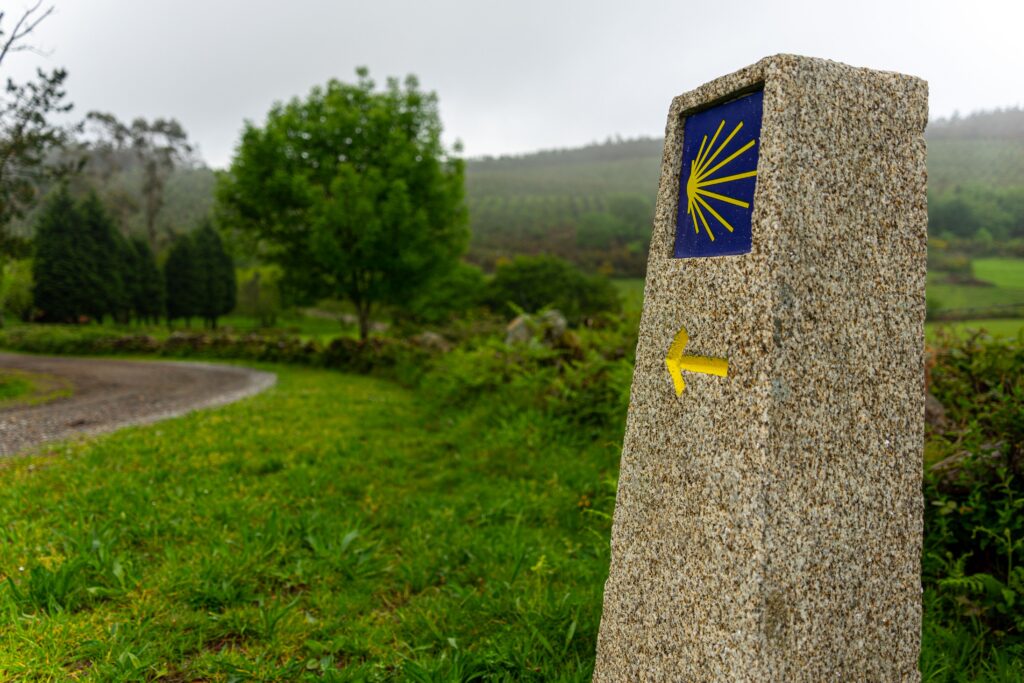
The clear arrows. The house is too big. The bedrooms are upstairs. The first grandbaby is three states away. These are easy to read, and the best thing you can do with them is give yourself a deadline. Work expands to the time allowed, and so does “someday.”
The faded arrows. These are the ones worn down by daily life. A little back pain becomes a cane, then a walker, then a refusal to see the doctor. Or the house slowly fills until the project feels too big to start. I once got so lost in thought on the Camino that I looked up and found myself standing in a cow pasture. That’s what faded signs do. You don’t notice you’ve left the path until you’re surrounded by cows.

The graffiti-covered arrows. Some Camino markers are buried under other people’s messages. In real life, that graffiti is everyone’s opinion. “Mom, you said you’d never sell.” The spouse who isn’t ready. The kids’ trophies that have lived in your garage, rent free, for thirty years. Everyone means well. It still blocks the arrow.
The too-many-options arrows. Downsize? Condo? Rent? A 55+ community? Independent living? Decision fatigue is real, and it makes “I’ll think about it” feel like a plan. It isn’t.
And then there’s the one I added myself: ≠. Not equal. My Camino ended early with a foot injury, and for a long time I called it a failure. It wasn’t. It was just different from what I pictured. Your next chapter might be, too. Different isn’t less.
Doing Nothing Is a Decision, Too
None of us has a crystal ball. What we do have is the information in front of us today. So here’s where I’d start if we were sitting at your kitchen table:
Name one sign you’ve been stepping around. Just one. Say it out loud. Then put a date on the calendar to do something small about it, whether that’s a doctor’s appointment, one closet, or a conversation.
If the conversation is with a parent, start with a question about what they love, not with the move. “What do you love most about this house?” will get you a lot further than “So, have you thought about selling?”
And bring in the right people. An elder law attorney, a financial advisor, a care manager, an occupational therapist. You don’t need every answer. You need the right people in the room.
Read the Whole Book, Not Just My Chapter
NAIPC builds its work on five pillars of aging: housing, health and wellness, finance, transportation, and social interaction. This edition focuses on housing, but my fellow authors cover all the ground around it, from home modifications to finances to dementia planning. And yes, people sometimes find it funny that a Realtor® supports aging in place. I want you in the right home, for as long as it’s the right home. Sometimes that’s the one you’re in.
Several of my co-authors have already joined me on the podcast, Relax, I Got This! Embracing Life After 60, including Katie Hustead on downsizing without the overwhelm, Sheila Landis on unlocking home equity, Michelle Boucher on preparing for the unexpected, Emma Lapp on home care versus home health, and Michael Splaine on solo aging with dementia. You can catch those conversations on my YouTube podcast playlist, with more co-author episodes on the way.
It’s also fitting timing. Every October, NAIPC leads National Aging in Place Week. Consider this book my contribution to the party.
So, what signs are you ignoring? Grab a copy, find the chapter that sounds like your family, and start there. If you’d like to talk through what you’re seeing, I’m always happy to have that conversation, no sale required.
Your Camino starts when you decide.

Robin McCoy
Realtor® | Senior Home Coach™
214.226.3770 | RelaxIGotThis.com | Robin@RelaxIGotThis.com