
Ask a room full of people over 65 where they want to grow old, and the answer comes back fast. Home. My kitchen, my garden, my neighbors, my recliner that took eleven years to break in properly.
The research backs up what we already know in our bones. A new Pew Research Center survey released in February found that 93% of adults 65 and older currently live in their own home or apartment. And when asked what they would want if they could no longer manage on their own, 60% said they would want to stay in their home with someone caring for them. Only 18% said they would prefer assisted living, and a grand total of 1% picked a nursing home.
No surprises there. Here is the number that stopped me.
Of the people who want to stay home with care, only 37% believe it is actually likely to happen.
Read that again. The most popular plan for the rest of our lives, and fewer than four in ten of us are confident we will get to live it.
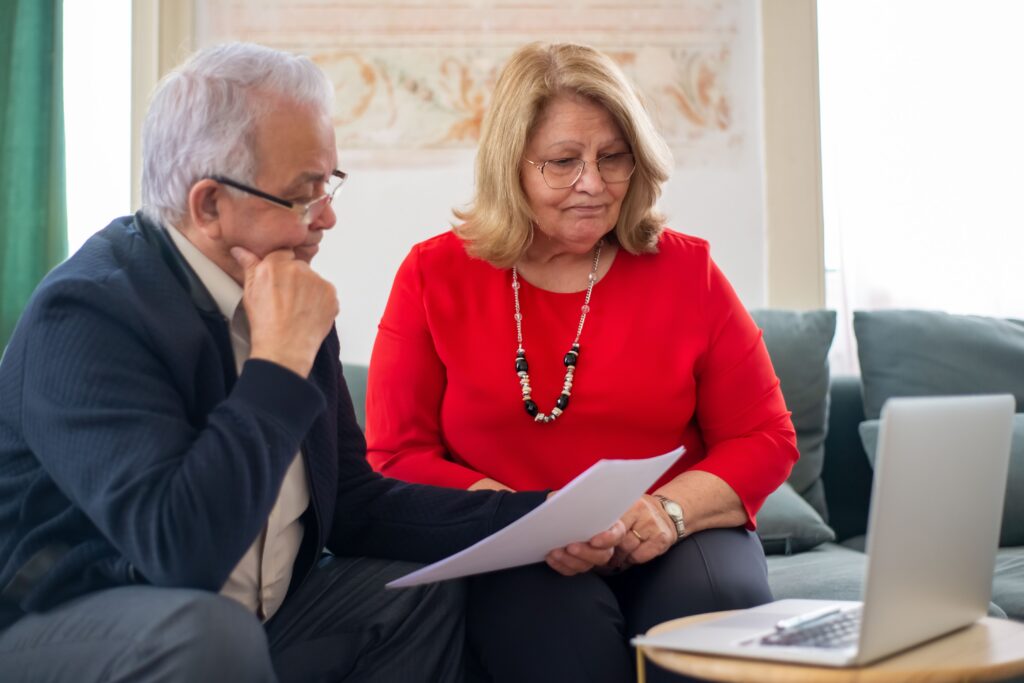
The gap between the wish and the plan
Why the doubt? Pew points to cost, and the numbers explain the nerves. Only 21% of adults 65 and older have long-term care insurance to help cover ongoing living assistance. Meanwhile, A Place for Mom’s 2026 cost report shows the national median for home care has climbed to $34 per hour. Assisted living now runs a median of $5,419 per month, and memory care sits at $6,690.
And if you are thinking “well, I will just move to a community if it comes to that,” there is a wrinkle worth knowing about. The senior living industry is running out of room faster than it is building it. According to NIC MAP, the organization that tracks this market, new senior housing construction has fallen to its lowest level since 2012, inventory growth hit a record low of 0.4% in early 2026, and occupancy is pushing historic highs. The oldest Baby Boomers turn 80 this year, and demand is climbing while supply stands still.
In plain English: the backup plan has a waiting list.
This is not a reason to panic. It is a reason to plan.
I have sat at a lot of kitchen tables over 18 years of doing this work, and here is what I have noticed. The families in crisis are almost never the ones who lacked options. They are the ones who waited until a fall, a diagnosis, or a lost spouse made the decision for them. At that point, every choice feels forced, rushed, and more expensive.
The families who do this well share one habit: they decide early, while everything is still a choice.
My guest Dr. Karina Loyo put it beautifully when she joined me on the podcast. Her whole message was about planning ahead so that one medical crisis does not become a generational financial crisis. You can hear that conversation here: Healthy Aging Starts Now: Plan Ahead to Protect Your Family’s Future. You can also get her book, Longevity Blueprint for Health, Wealth, and Purpose. Embracing the Rest of Your Life.
So what does deciding early look like? A few honest conversations, starting now.
Walk your house like a stranger. Could you live here with a walker? A wheelchair? Are the bedroom and a full bath on the first floor? Most homes were built for 35-year-old knees. Knowing what yours would need is step one, whether you renovate or eventually sell.
Run the real numbers. Price home care in your area at 20 hours a week. Price the communities you would actually consider. Then look at what you have, including your house. Homeowners 62 and older are sitting on a record $14.92 trillion in home equity right now. For many families, the house is not the obstacle to a good plan. It is the funding source for one.
Tour before you need to. Visiting a community while you are healthy costs you a lunch and an afternoon. It also means that if life ever forces the issue, you are choosing from a shortlist instead of scrambling for an opening.

Say it out loud. Tell your kids what you want and what you have ruled out. The 37% who are confident about their future are not luckier than everyone else. They are just further along in the conversation.
Wanting to stay home is universal. Getting to stay home is a project. And like every project, it goes better when you start before the deadline.
If you would like help thinking through what your home makes possible, that is exactly what I do as a Senior Home Coach™. No pressure, no timeline, just clarity.

214.226.3770 | RelaxIGotThis.com | Robin@RelaxIGotThis.com
Sources
- Pew Research Center: Most older adults who live at home want to age in place (Feb 26, 2026)
- A Place for Mom: 2026 Costs of Long-Term Care and Senior Living Report (Feb 19, 2026)
- NIC MAP: Senior living occupancy grows amid construction slowdown (May 2026)
- PwC/ULI Emerging Trends in Real Estate: Senior Housing outlook
- NRMLA/Riskspan senior home equity report via Asset Securitization Report (July 21, 2026)